

[LAS VEGAS] [Jan. 6, 2014] – The USC School of Cinematic Arts World Building Media Lab is debuting “LEVIATHAN” at the Intel CES 2014 Exhibit. This experimental storytelling platform explores new possibilities in entertainment—where physical and virtual worlds connect through the power and flexibility of technology. Emerging between the console and the home theater, LEVIATHAN lives on the digital rim, where the robust storytelling of film and literature meets the physical interactivity of gaming. This hybrid storytelling platform draws inspiration from both narrative & gameplay and delivers engagements that are both physical & digital. This is a space where the author controls the story, and the audience plays inside that story. Using an Intel powered 2 in 1 as a portal, fans will play with “Huxleys” (genetically engineered flying jellyfish) and follow the Leviathan whale on her voyage through CES.(via http://digitalrim.org/press/)


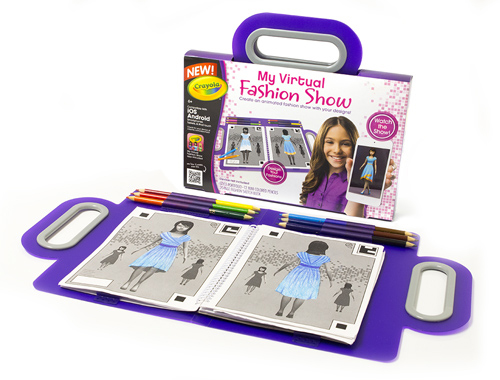
Design your own clothing, then put it on display in your own fashion show! Create magazine covers featuring your latest styles and share with friends, with My Virtual Fashion Show from Crayola!(via http://www.youtube.com/watch?v=CLbasMYkiKA#t=30)

The demo we experienced at Mobile World Congress was just a prototype of what the feature will be like when it debuts in Metaio’s SDK, but it was accurate enough to show how it would work. During our hands-on session, we turned our head from leftto right so that the Kinect could read the front and sides of our face. We had to do this very slowly, however, so that the camera could get the most accurate reading.(via http://www.tomsguide.com/us/metaio-augmented-reality-mwc-2014,news-18372.html)

Sony’s wearable tech gained some much needed definition at MWC this week, but it’s still clearly an unfinished concept. There are a number of companies currently chasing the dream of getting users to wear computers on their face for extended periods of time. Google is one of the first to make their project both publicly known and actually practical to wear all day, so there have been several attempts to follow suit with designs that are more stylish or more featureful.(via http://www.geek.com/android/sonys-smarteyeglass-concept-predicts-a-text-driven-augmented-reality-future-1585649/)
Sony’s SmartEyeglasses is neither of those things, but it does allow for binocular vision thatGoogle Glass does not which means the potential for augmented reality services are much higher.
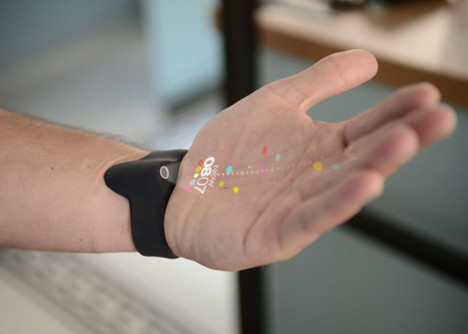
Future Predicting App Concept by Dor Tal from Dezeen on Vimeo.
Israeli designer Dor Tal’s Future Control project uses data generated on social networks to help users predict the future and take action ahead of time. This personal horoscope built on your data could be used for everything from when you're most likely to go to the gym, to predicting what mood your partner is going to be in when they get home. Tal's concept works in two ways. The first requires the user to download an app on to their smartphone that scours their social networks and any data generated about user. An algorithm based in a cloud system of servers then crunches through the numbers to detect any patterns of behaviour that could be forecast ahead of time. The more accounts the user adds, including credit card information, Google, Apple and Facebook, the more intelligent it becomes.(via https://vimeo.com/87299033#embed)
Türkiye Mobilya Sektörü yeni bir teknolojiyle tanışıyor.Size mobilya sektöründe devrim yaratacak yeni bir satış mecrasından bahsedeceğiz.Ürünün gerçeğini üretmeden ya da hizmeti henüz sunmadan dijital deneyim yoluyla vaadinizi ya da faydanızı tüketiciye gerçekten yaşatabilirsiniz.Mobilya artırılmış gerçeklik çalışmaları.Koltuk giydirme programı.mobilya artırılmış gerçeklik.Mobilya çizim programı
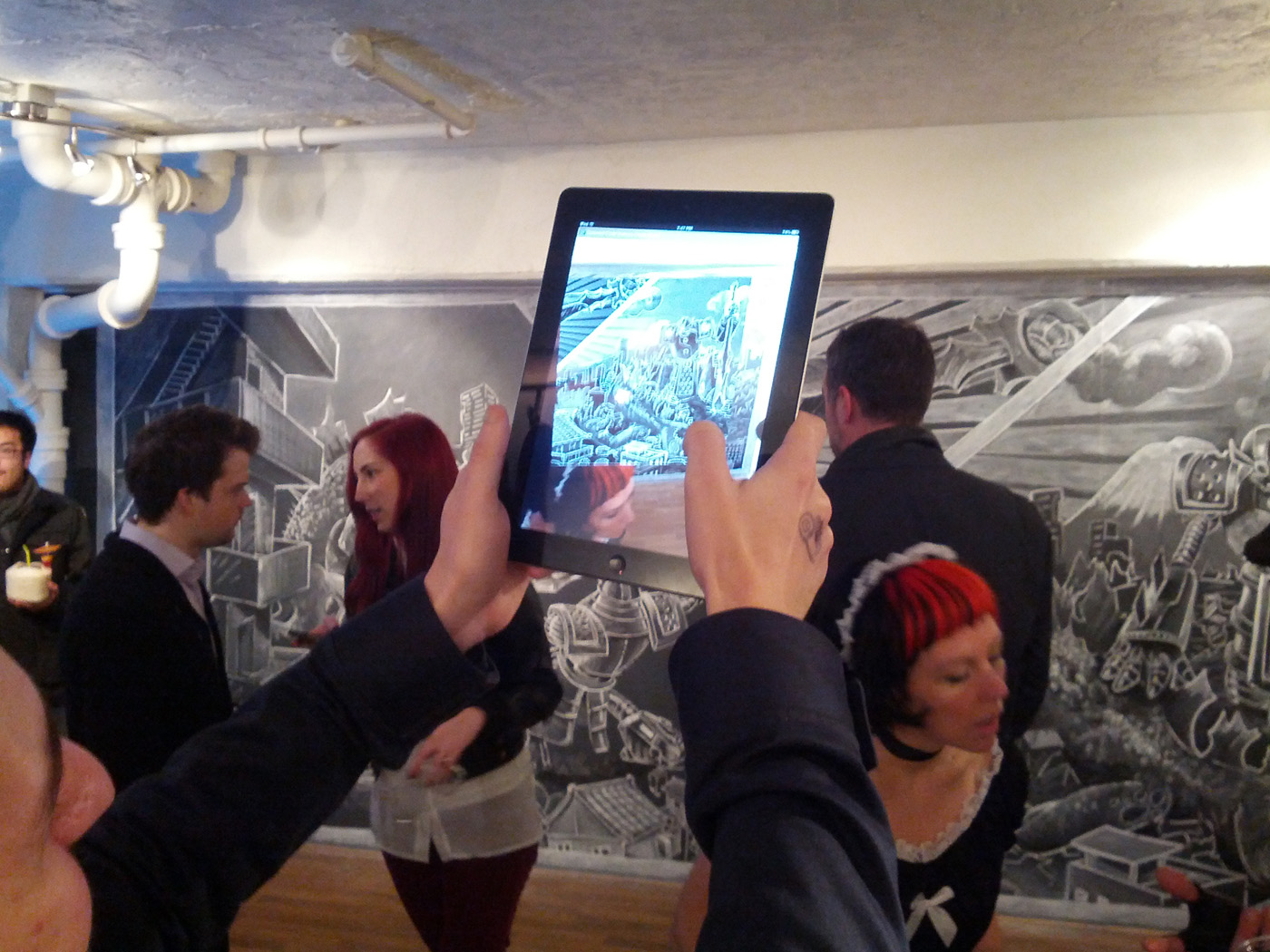
 Lumenal Code painted this interactive chalk mural for Izakaya 2012, a celebration of Japanese Pub Culture held at the Jupiter Hotel in Portland, Oregon on Friday, November 16th. We activated the chalk mural using Layar. Scanning the seven panels of the mural brought them to life with an animated version of the story, our take on the classic monster vs. robot battles. At the beginning and end of the mural we had links to share the project on Twitter and Facebook, as well as a link to our website.

Fashion house CuteCircuit debuted their latest wearable technology collection during NYFW 2014 with a line of styles controlled by an iPhone app. The futuristic fashions of CuteCircuit's haute-tech collection are reminiscent of a modern day chameleon, using the iPhone app to change attire's colors and appearance. Despite the garment's high-tech features, CuteCircuit designers Ryan Genz and Francesca Rosella upheld a high-fashion aesthetic. Simply put, people will actually want to wear these wearables.
The full show! Complete recording of the landmark New York Fashion Week debut of the interactive fashion label CuteCircuit. The show brings for the first time to a major international fashion week fashions that include advanced wearable technology, seamlessly integrated in beautiful couture and demi-couture ready-to-wear. For the first time in fashion's history the models control what their dresses will look like on the runway through their mobile phones.
Have you ever read a book wondering what the events described were actually like? With the power of Wikitude's image recognition engine and Google Glass, you no longer have to wonder. The Wikitude SDK has been optimized to power incredible experiences on Google Glass. This demonstration video is just one example of what can be done with Wikitude on Glass.Get started developing with Wikitude for Glass today with our optimized SDK at: http://www.wikitude.com/glass(via http://www.youtube.com/watch?v=JcXfvNihmFg&feature=youtube_gdata)
A crew at the Mars Desert Research Station has tested Google Glass integrated into a space suit helmet to improve astronauts' navigation and communication. Check what they say about their experience(via http://www.youtube.com/watch?v=i1ARzGUFkJE#t=199)

 http://storiesbywilliams.files.wordpress.com/2014/02/digital_taste_interface1.png?w=396&h=237
Duke Dumont - I got u from Remy Cayuela on Vimeo.
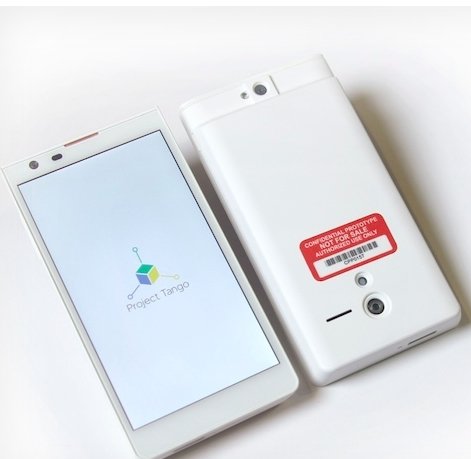
Google today launched Project Tango, an experimental smartphone and developer kit that incorporates 3D sensors able to map indoor and outdoor environments. Designed as a 5-inch phone containing custom hardware and software, the first Project Tango prototype makes more than a quarter million 3D measurements each second, tracking three-dimensional motion to create a visual 3D map of the space around itself. Google describes Project Tango primarily as a mapping tool, automatically capturing the world around each user to provide directions, dimensions, and environmental maps.
What if you could capture the dimensions of your home simply by walking around with your phone before you went furniture shopping? What if directions to a new location didn't stop at the street address? What if you never again found yourself lost in a new building? What if the visually-impaired could navigate unassisted in unfamiliar indoor places? What if you could search for a product and see where the exact shelf is located in a super-store?
The company also pictures Project Tango as the first step towards fully immersive augmented reality games that merge gameplay with real world locations.
Imagine playing hide-and-seek in your house with your favorite game character, or transforming the hallways into a tree-lined path. Imagine competing against a friend for control over territories in your home with your own miniature army, or hiding secret virtual treasures in physical places around the world?
According to TechCrunch, Project Tango utilizes a vision processor called the Myriad 1, from Movidius, which is incredibly power efficient compared to other 3D-sensing chips on the market. The power necessary for 3D chips to function has thus far been one of the major issues preventing the technology from being incorporated into a smartphone, but because it functions like a co-processor much like Apple's own M7 motion co-processor, it is able to draw less power.(via http://www.macrumors.com/2014/02/20/google-project-tango/)
Qbox is an educational and educational protype for children consisting of a little cube robot, a toy figure and a mobile device application. The kid can interact with the cube trough the augmented reality displayed on the device. The kid has to introduce a little figure into the cube. When the AR is displayed the character will appear inside the cube and will become alive. The kid will be able to see the character inside the cube and interact with it. Any type of application can be developed using this new way of interaction. A new relation is created between the kid and the character.(via http://www.youtube.com/watch?v=OCC5CshnC10&feature=youtube_gdata)
ユーザー参加型の学会として発足し、毎回数万人規模の視聴者を集める「ニコニコ学会β」。2013年12月21日、ニコファーレで行われた第5回シンポジウムでは、5つのセッションが行われた。慶應義塾大学の稲見先生が座長を務め、全体のハイライトになった人間の感覚に注目して発表する「研究100連発」を紹介する。(via http://www.atmarkit.co.jp/ait/articles/1402/14/news001.html)
3人目の発表者は稲見座長自ら「稲見よりもマッドな研究をしている」と紹介された藤井直敬氏(理化学研究所 脳科学総合研究センター チームリーダー)。 知覚、脳科学についての研究を行っている。「脳をハックすることで新たなリアリティを紡ぐ」と紹介された研究は、脳と感覚の話が中心になった。 眼科医としてのキャリアスタートから、視覚が脳でどう動いているかに関する研究に話は進む。サルの脳に大量の電極を刺したときの、視覚と身体情報の違いについて検証する研究だ。脳のさまざまな部位に200本もの電極を刺して検証を進めたという。研究に十分なデータを取るだけで2年ほどの日数を費やしたという。
Press Release 2014年2月18日http://pr.fujitsu.com/jp/news/2014/02...富士通研究所は、保守作業などの現場向けにNFC(Near Field Communication)タグリーダとジェスチャ入力機能を備えたグローブ型ウェアラブルデバイスを開発しました。2月24日から27日までスペインのバルセロナで開
催される国際展示会「Mobile World Congress 2014 (MWC2014)」にて展示します。Press Release February 18, 2014http://www.fujitsu.com/global/news/pr...Fujitsu Laboratories Ltd. announced that it has developed a wearable device in the form of a glove, equipped with a Near Field Communication (NFC) tag reader and that features gesture-based input for maintenance and other on-site operations.(via http://www.youtube.com/watch?v=BefBWuap3x4&feature=youtube_gdata)
This glove device will be exhibited at Mobile World Congress 2014, running February 24-27 in Barcelona, Spain.